
Learn lighting and posing in Singapore.
4 sessions, 2 hours each, S$450 (includes model & studio fees)
See discount, course outline or sign up now
Good posing, strong rapport, clear communication and great lighting are just some of the key ingredients to a good studio portrait.
Although lighting setups are everywhere, not everyone understands why a light was placed in a certain position or aimed at a particular angle. Copying setups without a strong understanding of the hows and whys often results in disappointing portraits.
By giving you 5 out of 8 hours of hands-on training with in-class projects and a final model shoot, our Studio Portraiture workshop aims to equip you with a strong foundation in two key areas:
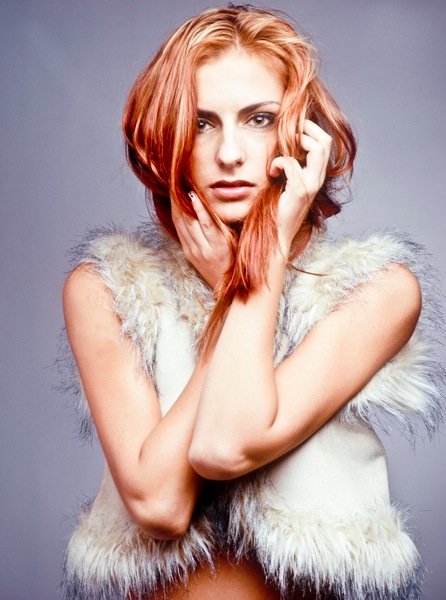
- lighting concepts so you’d be able to modify an existing setup to achieve your own creative ideas, troubleshoot lighting problems, and create your own setups that others will be wanting to follow,
- posing, directing and communication techniques that help to make your model look as good as possible
All studio lessons take place at our partner studio located in central Singapore near Clarke Quay and City Hall.
In Studio Portraiture, you spend 5 out of 8 hours of your workshop setting up lights, making adjustments to improve your setup, shooting in-class portraiture projects, and putting all that you’ve learnt into a final model shoot. By the end of it, you would:
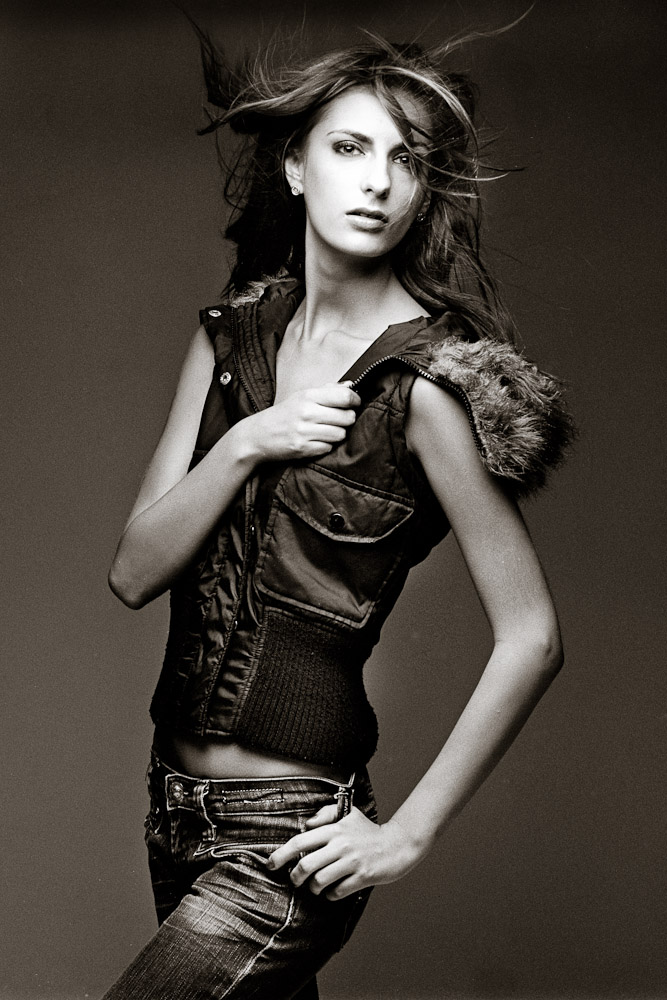
Lighting nightmare no more. Learn how to tackle challenging lighting from white-on-white to black-on-black
- be able to handle a shoot on your own in any studio environment,
- know how to fully utilise a studio environment, its lighting supports and modifiers,
- know what to look out for in a good studio portrait, and how to maximise your number of keepers,
- be proficient with various light modifiers from softbox to reflector to snoot to achieve your desired creative direction,
- be able to troubleshoot lighting problems on your own,
- have a strong understanding of lighting concepts to be able to get the job done with minimal equipment (and how you can do all of what you’ve learnt at home too),
- learn about the classic portraiture lighting setups, their strengths and weaknesses, and how to modify from there to your liking,
- have hands-on experience as an art director, photographer and lighting assistant,
- have planned, executed and shot at least two different portraiture projects
- know what flatters a woman and a man, and how to make them look good in your portraits,
- and most importantly, have lots of fun!
We keep our class small (4 persons max) so you can be sure you’ll get individual attention from our instructors.
Course Outline
| Lesson details | Topics covered and learning objectives |
|---|---|
| Lesson 1 Introduction Location: the Hive Lavender Studio, 1 Kallang Junction 7.30–9.30pm  |
Lesson Practical |
| Lesson 2 One Light, Multiple Lights Location: the Hive Lavender Studio, 1 Kallang Junction 7.30–9.30pm |
Lesson
Practical |
| Lesson 3 Classic Setups Location: the Hive Lavender Studio, 1 Kallang Junction 7.30–9.30pm |
Lesson
Practical |
| Lesson 4 Model Shoot Location: the Hive Lavender Studio, 1 Kallang Junction 7.30–9.30pm |
Lesson
Practical |
Course Requirements
Participants must bring their own camera (DSLR or compact with manual exposure modes). A tripod and laptop is highly recommended for this workshop.
Course Schedule
April 2022 Class (Weekend Class)
- 9 April 2022, 10.30am–12.30pm
- 9 April 2022, 1.30–3.30pm
- 10 April 2022, 10.30am–12.30pm
- 10 April 2022, 1.30–3.30pm
May/June 2022 Class (Weekdays)
- 30 May 2022, 7.30–9.30pm
- 31 May 2022, 7.30–9.30pm
- 02 June 2022, 7.30–9.30pm
- 03 June 2022, 7.30–9.30pm
–>
Promotions & Discounts
Early Bird Promotion — $10 off
Sign up and make payment at least one month before the commencement date to enjoy $10 off your course fee.
Bring-a-friend Promotion — $10 off
Get $10 off your course fees when you sign up with your friends and make payment together.